480-690-9949


"Got The Job Done Right!"
From start to finish, Kore Roofing exceeded expectations. Their team was friendly, efficient, and got the job done right!
Ethan Clark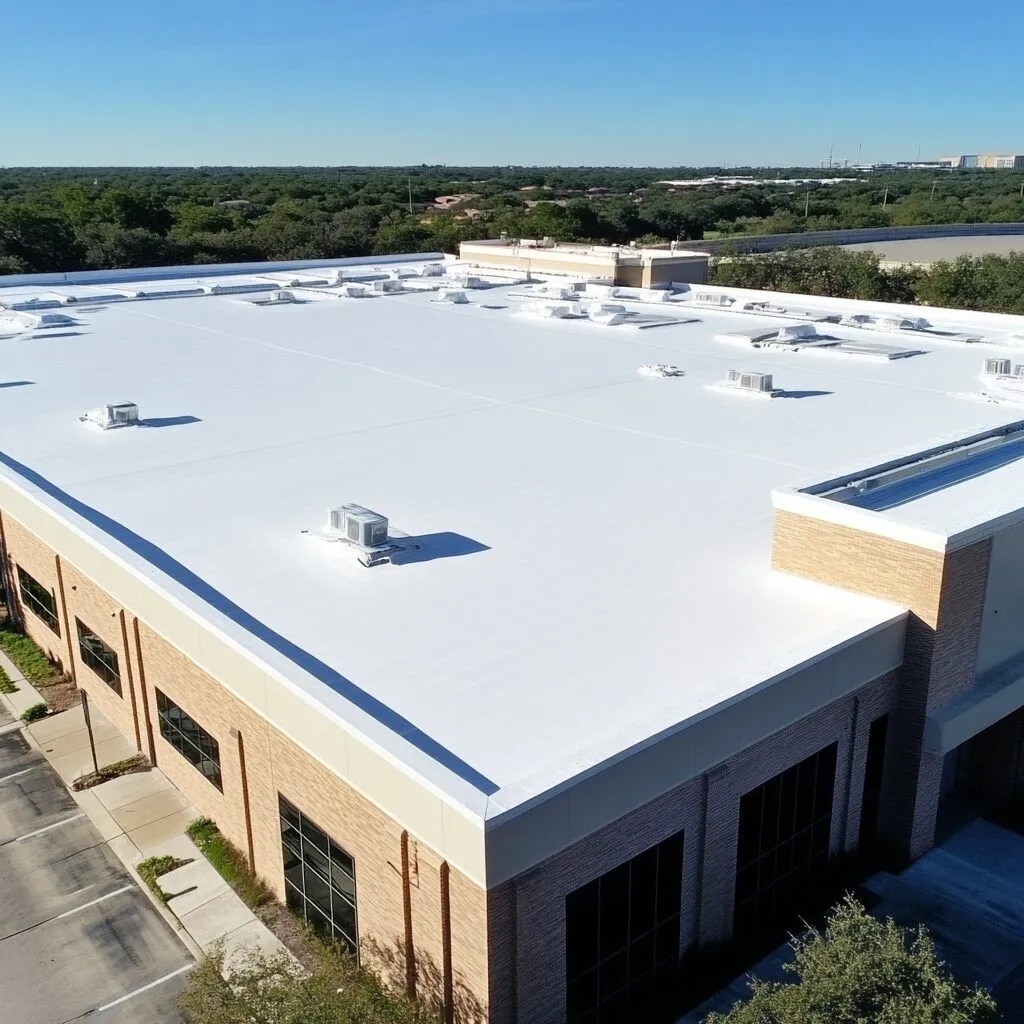
 John MaxwellGeneral Contractor
“Exceptional service from blueprint to completion! Kore Roofing’s TPO expertise kept our project on schedule and on budget. I’d gladly partner with them again, given their dedication to quality and professionalism.”





Your TPO roof is your commercial property’s best safeguard whether you’re planning a new build or upgrading an existing roof. Our specialized approach streamlines timelines, cuts costs, and meets code. With our free, no-obligation consultation, you’ll receive:
"Got The Job Done Right!"
From start to finish, Kore Roofing exceeded expectations. Their team was friendly, efficient, and got the job done right!
Ethan Clark"I'm Very Satisfied"
I’m very satisfied with Kore Roofing’s service. They were prompt, reliable, and left the site clean. My new roof looks amazing!
David Brown"Highly Recommend!"
Kore Roofing did a fantastic job on our roof replacement. The team was professional, timely, and thorough. Highly recommended!
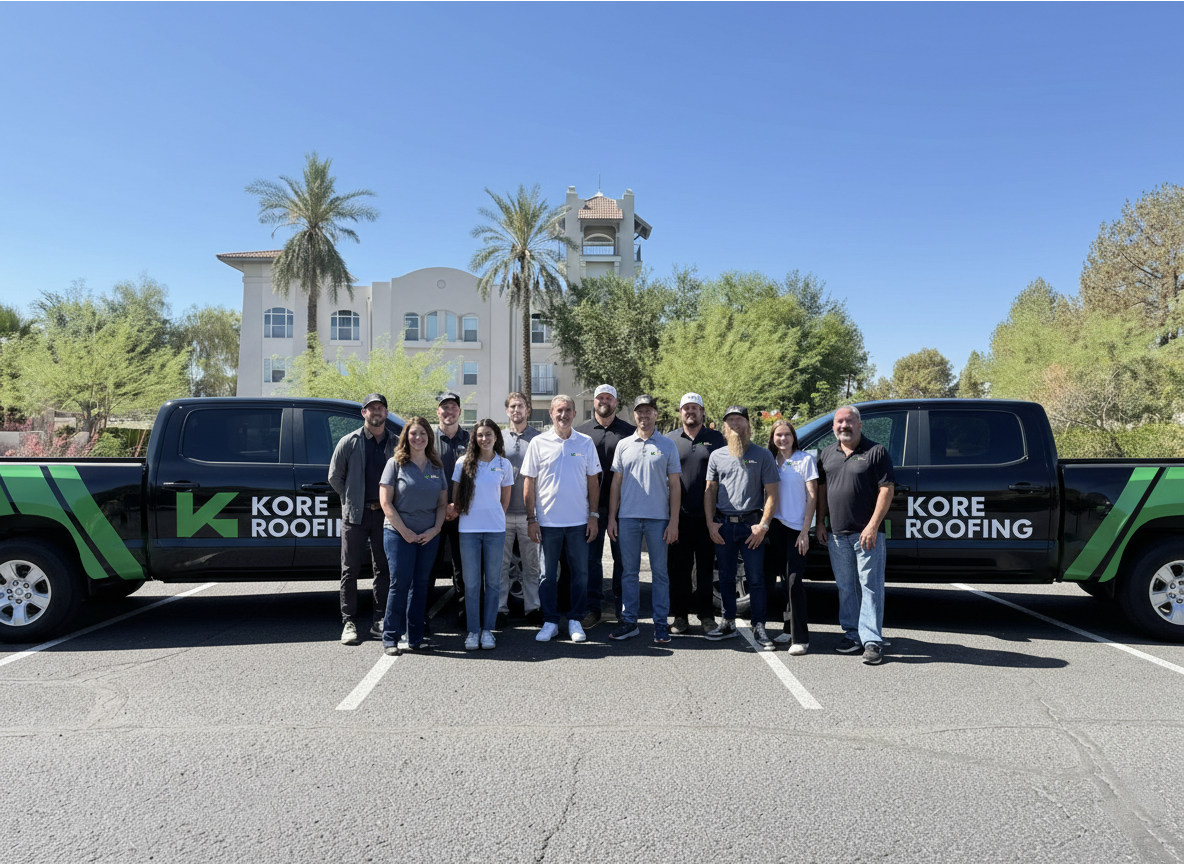
Ema JohnsonWith over 30 years of combined commercial experience, our team specializes in TPO installations, replacements, and repairs. Whether it’s a new build or an existing roof, we focus on delivering energy-efficient solutions that meet strict timelines and codes ensuring each project stands up to Arizona’s demanding climate.
30 Years Experience
Certified TPO Specialist
Licensed and Insured
Honest Pricing
On-Time, On-Budget
Warranty & Manufacturer Support
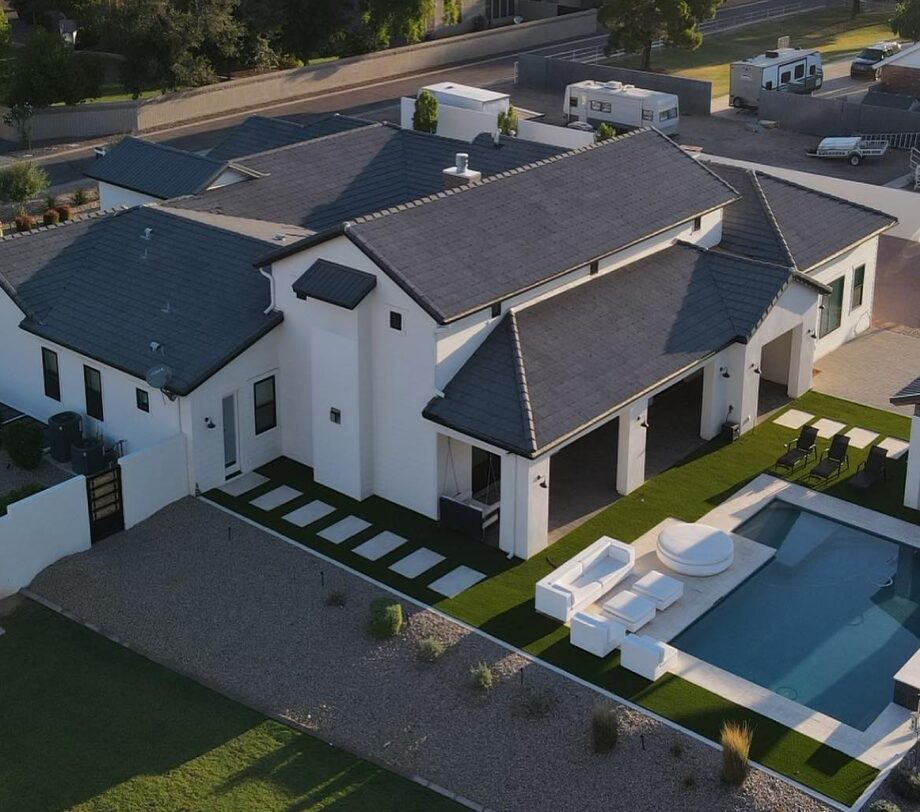

At Kore Roofing, we take pride in delivering high-quality workmanship and reliable roofing solutions. Your satisfaction is our top priority. If you’re not completely happy with our service, we’ll work with you to make it right. From the first inspection to the final installation, we stand by our work and ensure that your home is protected with the best materials and craftsmanship. Trust Kore Roofing for a roof that stands the test of time.
TPO (Thermoplastic Polyolefin) is a single-ply roofing membrane commonly used in commercial projects. It’s designed for energy efficiency, durability, and ease of installation. Compared to some other materials, TPO often balances cost-effectiveness with reflective properties, which may help with cooling costs. However, the exact performance can vary by brand and installer.
While specific lifespans can differ, many TPO roofs can remain serviceable for 15–25 years with proper installation and regular maintenance. Climate factors (such as extreme heat or heavy storms) and the quality of the initial install play important roles in determining how long the roof will ultimately hold up.
TPO membranes are typically heat-resistant and formulated with UV-stabilizers that help protect against sun damage. They’re also designed to be reflective, which may help reduce solar heat gain. However, performance can depend on the particular product, local conditions, and ongoing maintenance.
TPO is known for its reflective surface, which can potentially lower cooling costs by reducing heat absorption. It’s often chosen in sunny climates for that reason. Actual energy savings depend on factors like roof color, insulation levels, and building design.
TPO can be installed using various methods, commonly mechanically fastened, fully adhered, or self-adhered systems. The best approach depends on project specifics like roof deck type, local building codes, and budget considerations.
Routine inspections (at least yearly) and prompt repairs are generally recommended. Maintenance tasks may include removing debris, checking seams, and repairing small punctures. Costs vary based on roof size, accessibility, and the scope of any needed repairs.
TPO can be used in both new builds and re-roofing projects. Whether you can install TPO directly over an existing roof depends on local codes, the condition of the underlying materials, and manufacturer guidelines.
Upfront costs are often competitive with other single-ply systems. TPO can also offer potential long-term savings through its reflective properties, which may reduce cooling costs. Exact cost-effectiveness will depend on project scope, roof size, insulation, and overall building design.